
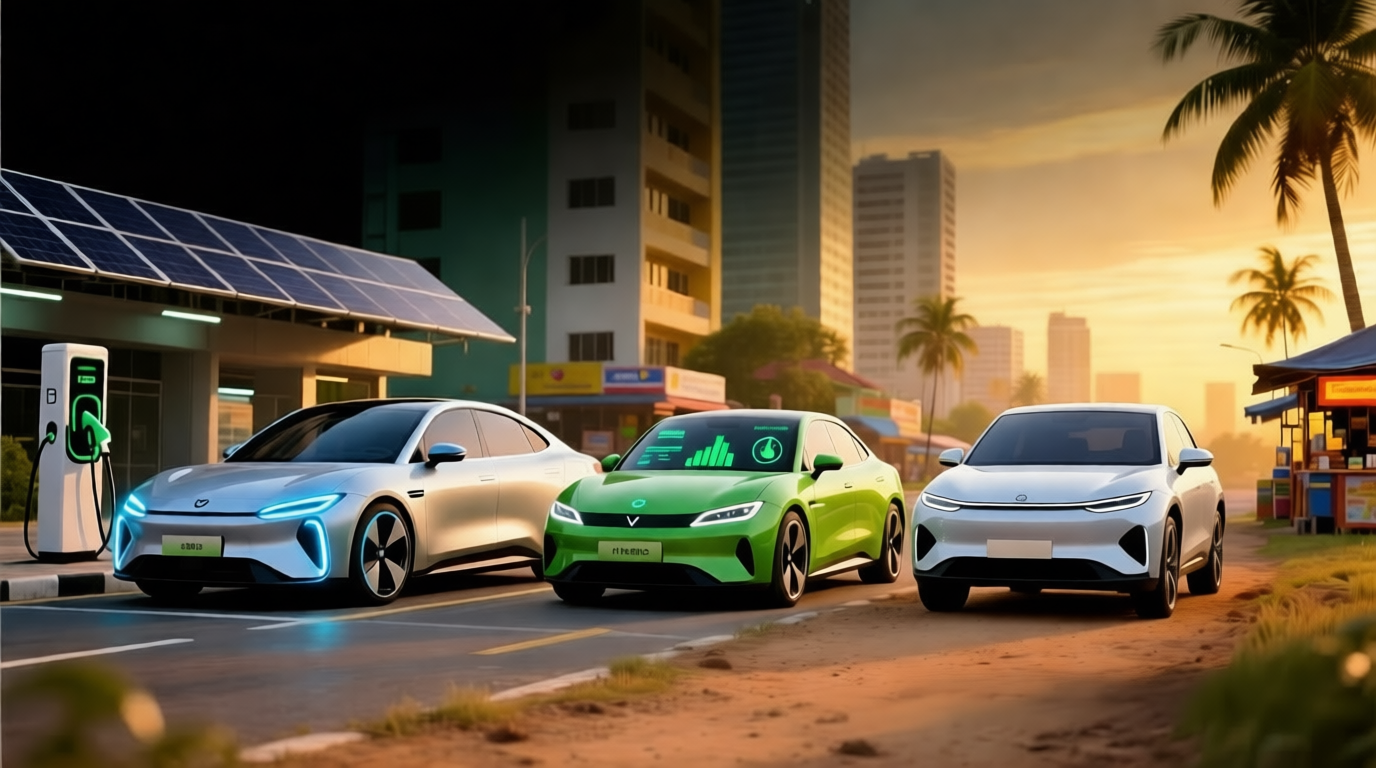
Introduction: The Major Powertrain Choices Facing Malaysian Car Buyers
Malaysian car buyers in 2025 face three main powertrain options: electric vehicles (EVs), hybrids, and conventional petrol cars. Each choice has different implications for cost, driving performance, practicality, and environmental impact. Making the right choice involves understanding ownership costs, daily driving experience, and how to maintain your car’s value through proper car care and surface protection.
Cost Deep Dive: 2026 Tax Shifts, Fuel, and Maintenance
Purchase Price: EVs are becoming more competitive with the arrival of local CKD (locally assembled) models. Hybrids fall in the middle range, while petrol cars remain the most affordable entry point. Government incentives for EVs are now shifting to favor locally assembled units as CBU (fully imported) tax holidays end in 2025.
Fuel vs Electricity Costs: Running an EV remains significantly cheaper per kilometer, with home charging costing approximately RM0.05 per km. However, public charging prices have stabilized, with DC Fast Chargers now ranging between RM1.50 to RM1.80 per kWh. Petrol cars face higher fuel expenses, while hybrids offer a balanced middle ground.
Road Tax: The 2026 Transition
- Petrol & Hybrid: Road tax is still calculated based on engine cubic capacity (cc). A 1.5L car typically costs RM90/year.
- EV (Current): Full road tax exemption remains in effect until December 31, 2025.
- EV (Starting 2026): A new kW-based fee structure will be introduced. It is designed to be up to 85% cheaper than petrol equivalents. For example, a 150kW EV will cost approximately RM160/year, compared to the higher rates of high-cc petrol engines.
Maintenance Costs: EVs win on maintenance due to fewer moving parts—no engine oil or spark plugs. Hybrid maintenance is lower than petrol due to regenerative braking reducing brake wear, but it still requires engine servicing.
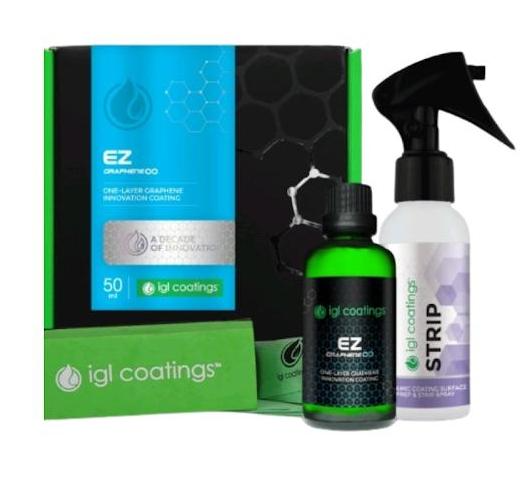
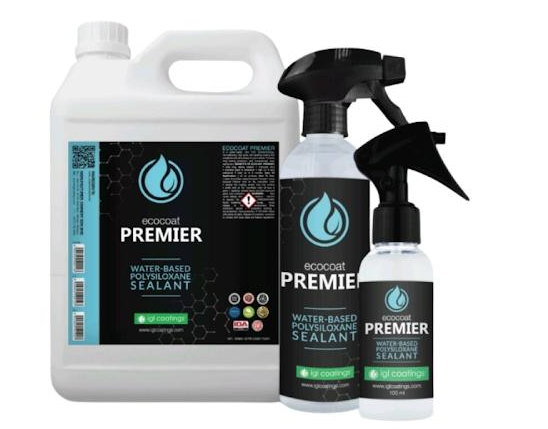
Resale Value and Paint Condition : Resale value is heavily influenced by paint quality. Cars protected with IGL Car Graphene Coating (EZ 1-Year) or IGL Ecocoat Premier retain higher value by preventing UV oxidation and acid rain etching common in Malaysia’s tropical climate.
Performance Comparison: Acceleration, Driving Experience, Noise Levels
Acceleration
Performance EV vs petrol 0-100 tests show EVs accelerate faster in city conditions due to instant torque. Hybrids offer moderate acceleration, while petrol cars provide a familiar driving experience for enthusiasts.
Driving Experience and Noise
EVs are quiet and smooth. Petrol cars provide engine sound and feedback that some drivers prefer. Hybrids vary depending on electric or petrol mode.
Handling Considerations
EVs are heavier because of batteries, which may affect handling. Petrol and hybrid cars are lighter, offering more familiar handling dynamics.
Environmental Angle: Lifecycle Emissions, Malaysia’s Energy Grid, Local Air Quality
Emissions Comparison
EVs produce zero tailpipe emissions, but their total environmental impact depends on electricity generation. Studies on environmental impact cars Malaysia grid show that EV lifecycle emissions increase if electricity comes from fossil fuels. Petrol cars consistently emit CO2, while hybrids reduce fuel consumption and emissions.
Local Air Quality
EVs and hybrids improve urban air quality by reducing NOx and particulate emissions. Petrol cars contribute more to smog and local pollution.
Practicality: Refuelling/Recharging Infrastructure and Time
Refuelling vs Recharging
Petrol stations are widespread, providing convenience. EV charging stations are growing but mostly concentrated in urban areas. Fast chargers take 30–60 minutes, while home charging takes several hours. Hybrids provide the flexibility of both fuel and electricity.
Time Considerations
EVs work well for daily city commuting with overnight home charging. Petrol and hybrid cars remain more predictable for long-distance or rural travel.
Universal Need for Surface Protection
All cars, regardless of powertrain, face Malaysia’s harsh tropical climate. Sun exposure, humidity, acid rain, and dust can damage paintwork, reduce shine, and affect resale value. Automotive surface protection solutions help protect your vehicle, reduce cleaning effort, and extend the life of your car’s exterior.
IGL products for maintenance and protection:
- IGL Car Graphene Coating (EZ 1-Year): Durable ceramic coating providing hydrophobic protection and gloss for up to one year. Ideal for EVs, hybrids, and petrol cars.
- IGL Ecocoat Premier: Enhances water beading, protects paint, and improves shine. Suitable for routine maintenance between full coatings.
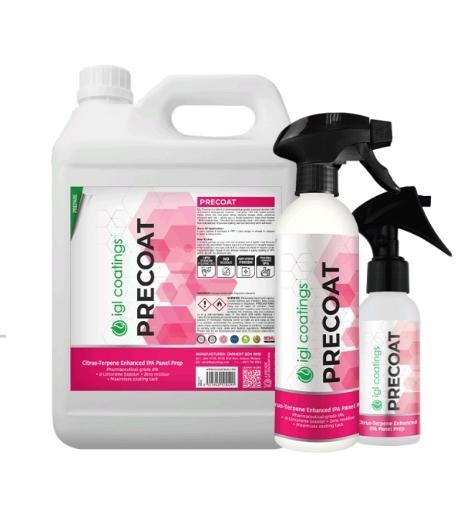
- IGL Ecoclean Precoat: Prepares the surface before coating, removing oils and residues for better adhesion.
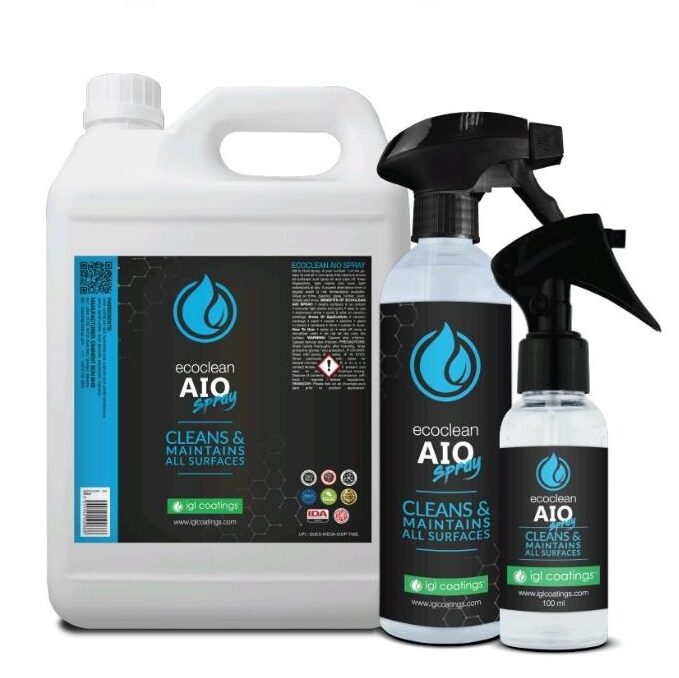
- IGL Ecoclean AIO Spray: Waterless all-in-one spray that cleans and protects paint between washes.
- IGL Ecoclean Interior Detailer: Safely cleans dashboards, trim, and upholstery, helping maintain interiors alongside exterior protection.
IGL Coatings: Protection for Every Powertrain
IGL Coatings offers tailored solutions for EVs, hybrids, and petrol cars. Ceramic coatings, paint protection films (PPF), and maintenance products protect paint, enhance gloss, and make cleaning easier. IGL detailing products review shows that these solutions extend paint life, preserve resale value, and suit Malaysia’s climate. Choosing the best car paint protection type ensures your vehicle stays pristine regardless of powertrain.
Frequently Asked Questions (FAQ)
1) Which car type has the lowest total ownership cost in Malaysia over 5 years?
The vehicle with the lowest total cost of ownership (TCO) over five to ten years is generally the EV (Electric Vehicle), despite its higher upfront purchase price. This is due to three key factors in Malaysia:
- Lower Running Costs: Electricity is significantly cheaper per kilometer than petrol.
- Lower Maintenance: EVs have far fewer moving parts (no engine oil, spark plugs, etc.).
- Road Tax Exemption: EVs currently enjoy a full road tax exemption until December 31, 2025, which provides substantial savings in the short term.
2) Is EV Road Tax still exempted in Malaysia in 2025? What about 2026?
Yes, full road tax exemption for fully electric vehicles (BEVs) remains in effect throughout 2025.
However, the exemption will end on December 31, 2025. A new road tax structure will be introduced in 2026, calculated based on the car’s motor power (kilowatts or kW). Crucially, the new rates are expected to be significantly lower (up to 85% cheaper) than the road tax for an equivalent petrol car, ensuring EVs remain financially attractive.
3) Do hybrid cars qualify for the same incentives as pure EVs in Malaysia?
No. Hybrids (HEVs and PHEVs) do not currently receive the same level of incentives as fully electric vehicles (BEVs).
- Road Tax: Hybrid road tax is still calculated based on the engine’s cubic capacity (cc), just like a standard petrol car.
- Tax Exemptions: Hybrids generally do not enjoy the same import, excise, and sales tax exemptions given to CBU/CKD EVs.
4) How much faster is an EV (Electric Vehicle) compared to a Petrol car?
In real-world Malaysian driving, EVs are significantly faster in instant acceleration (0-60 km/h) due to the nature of their electric motors providing instant, maximum torque. While performance EV vs petrol 0−100 figures can vary by model, a mid-range EV will typically accelerate faster and smoother than a similarly priced petrol car, making city driving feel effortless.
5) Why do all cars, including EVs and Hybrids, need automotive surface protection like IGL Coatings?
Regardless of the powertrain, all vehicles in Malaysia are exposed to the same harsh tropical conditions:
- UV Radiation: Causes paint oxidation and fading.
- Acid Rain: Leads to permanent water spots and etching.
- Road Grime: Causes swirl marks and dullness.
Automotive surface protection solutions like IGL Coatings provide a durable, sacrificial barrier (ceramic or graphene) against these elements, preserving the car’s original paint, enhancing gloss, and most importantly, protecting the resale value of the vehicle.
6) Do EVs have higher long-term battery replacement costs that offset the savings?
While a full battery pack replacement for an older EV can be expensive (tens of thousands of ringgit), modern EV batteries come with long-term warranties (typically 8 years or 160,000 km, whichever comes first). For most owners within the warranty period, the savings from lower fuel and maintenance costs significantly outweigh the projected annual cost of battery amortization.
Conclusion: Which Powertrain Suits Different Malaysian Lifestyles?
EVs are ideal for city drivers focused on sustainability and lower running costs. Petrol cars are cost-effective for long-distance travel and budget-conscious buyers. Hybrids offer a balance of efficiency and flexibility. No matter which powertrain you choose, protecting your car with IGL Coatings ensures long-term value, easier maintenance, and a clean, durable exterior. Investing in automotive surface protection complements every car choice in Malaysia.
Important Note: All information presented here is based on data available at the time of writing and is subject to change. We encourage you to conduct your own due diligence and consult official sources before acting on this information. Opinions expressed are our own and should not be taken as professional legal, financial, or specific purchasing advice.
